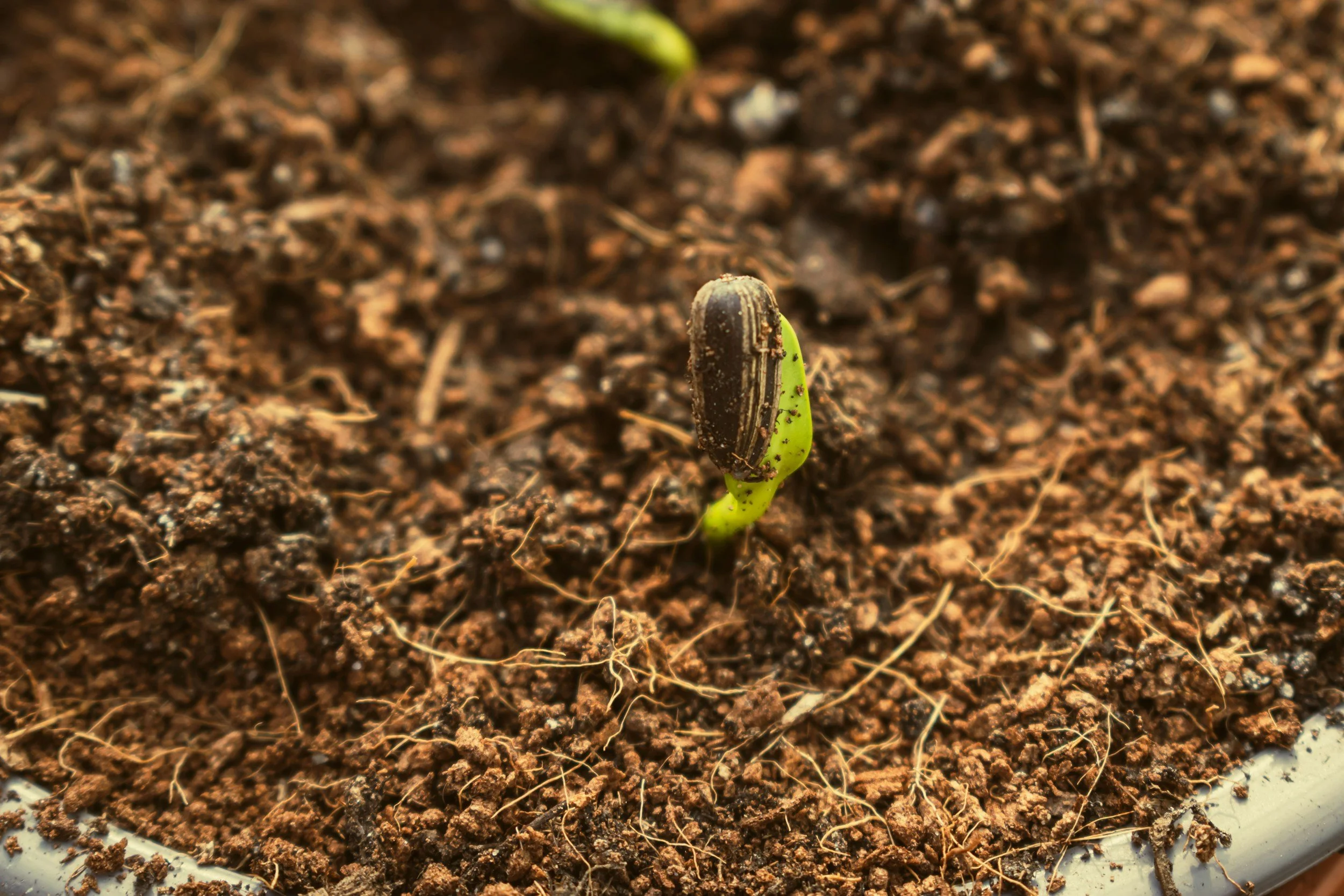
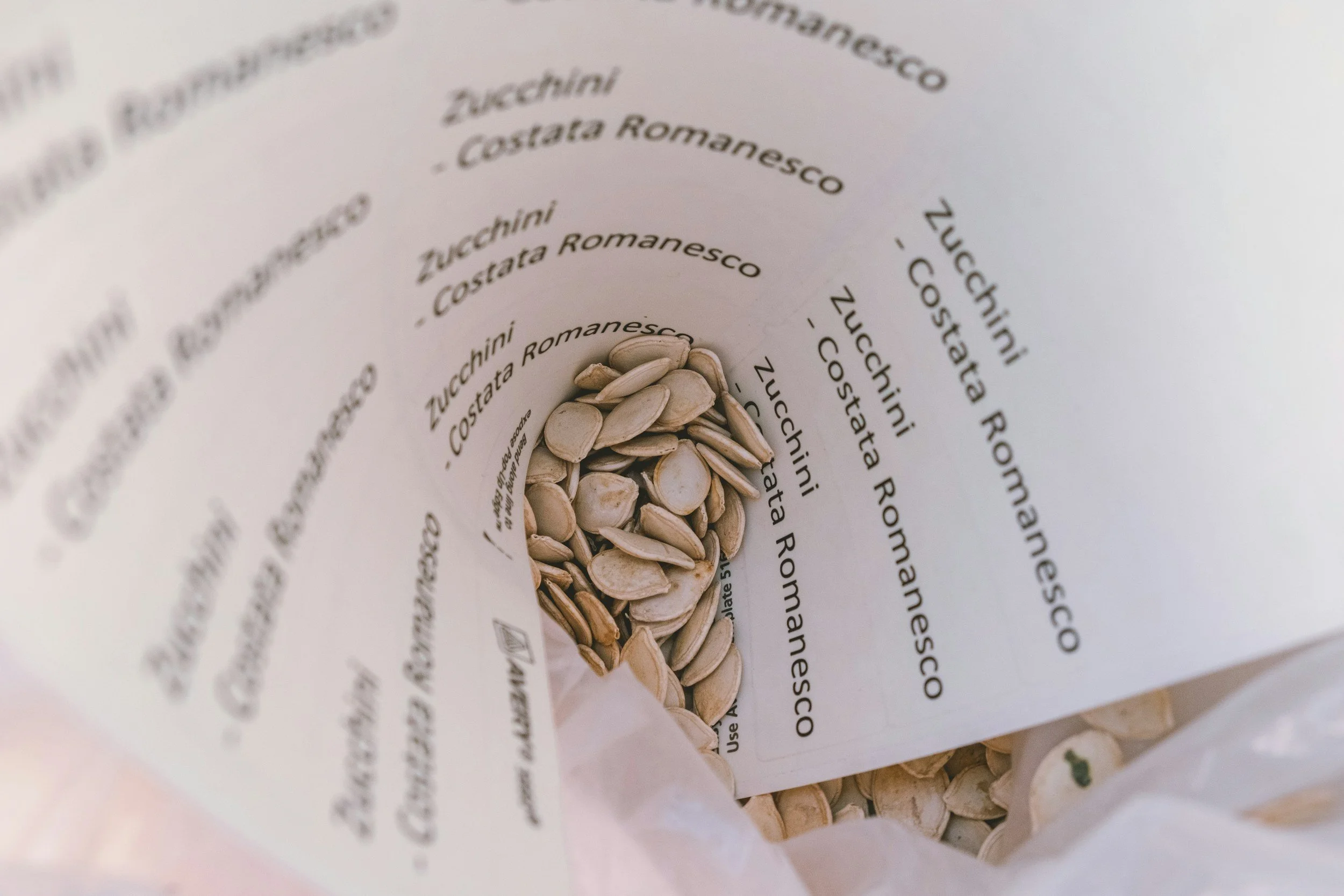
From One Seed to a Community of Growers
Every forest, backyard orchard, and community garden begins the same way: with something small placed in good ground and someone willing to care for it. Growing food does not require a massive budget, acres of land, or expensive machinery. It begins with a seed, a suitable container or garden bed, and the decision to pay attention. That first seed can produce more than one plant or one season of food. It can produce knowledge. It can provide cuttings, saved seed, and a harvest to share. It can give a new grower the confidence to teach someone else.
One seed does not create a food-secure community by itself. But one seed, cared for and shared, can begin a chain of growth that reaches far beyond the first garden.
The Multiplying Power of a Tomato
Consider the familiar backyard tomato. To a beginning grower, one seed may become one plant and a basket of fruit. To a regenerative grower, that plant may also become a source of new plants, future seed, practical knowledge, and food shared with neighbors. The value multiplies in several ways.
Propagate From Suckers
Tomatoes can develop roots along their stems. The small shoots that emerge where a leaf branch meets the main stem, commonly called suckers, can sometimes be rooted to create new plants with the same genetics as the parent.
To try it:
Choose a healthy sucker about 4–6 inches long from a disease-free plant.
Clean your cutting tool before use.
Remove the lower leaves, leaving several leaves at the top.
Place the cutting in clean water or insert it into moist, lightweight growing mix.
Keep it in bright, indirect light while roots form.
Move it gradually into stronger sunlight before planting it in its final location.
Not every cutting will survive. Begin with more than one, observe the results, and avoid taking so many suckers that the parent plant is weakened.
Save Seed for the Next Season
A ripe tomato may hold dozens of seeds, but not every tomato is equally suitable for seed saving.
Choose a healthy, fully ripe fruit from an open-pollinated or heirloom variety if you want the next generation to remain similar to the parent plant. Seeds saved from hybrid varieties may grow, but the new plants can differ significantly in size, flavor, disease resistance, or productivity.
A simple tomato-seed-saving method is:
Scoop the seeds and surrounding gel into a small labeled jar.
Add a little water and leave the jar loosely covered for several days.
Stir once a day while fermentation loosens the gel coating.
Add water, allow viable seeds to settle, and pour away floating debris.
Rinse the seeds thoroughly.
Spread them in a single layer on a screen, plate, or other nonabsorbent surface.
Dry them completely before storing them in a labeled paper envelope in a cool, dry place.
Record the variety, harvest date, location, and any useful observations about the parent plant. Seed without its story loses part of its value.
From one seed, you may feed yourself for a season. From healthy plants, saved seed, and shared knowledge, you can help feed future seasons.
From One Branch to a Small Orchard
The multiplying power of plants is not limited to annual vegetables. Many perennial food plants can be propagated from cuttings, layers, divisions, or grafts. Figs and pomegranates, for example, can often be propagated from healthy cuttings. Using mature plant material may shorten the wait for fruit compared with starting those plants from seed. Other fruit trees are commonly propagated through grafting. A desired fruiting variety, the scion is joined to a compatible rootstock selected for qualities such as size control, disease resistance, or adaptation to local soil.
Compatibility matters:
Apple varieties may be grafted onto compatible apple rootstock.
Some closely related stone fruits may share suitable Prunus rootstocks.
Citrus varieties require compatible citrus rootstock.
A single rootstock cannot generally support unrelated fruits such as apples, plums, and citrus together. Multi-grafted trees usually carry several compatible varieties from the same fruit group, sometimes extending the harvest season within one carefully managed footprint. Propagation also requires stewardship. Take plant material only with permission. Choose healthy parent plants. Clean tools between specimens to reduce disease transmission. Label every cutting or graft, and research whether plant patents or other restrictions apply before reproducing or distributing named varieties.
One thriving tree can help establish more trees, but only when health, compatibility, consent, and long-term care travel with the branch.
The Harvest Is More Than Food
A plant can produce several kinds of yield:
Fresh food
Seed for another season
Cuttings or divisions for new plants
Habitat for pollinators
Compostable plant material
Shade and beauty
Growing knowledge
Confidence
Relationships with other growers
A basket of tomatoes may be eaten in a week. The knowledge of how to grow, propagate, and save seed can remain useful for a lifetime. That knowledge becomes even more valuable when it is shared. A neighbor who receives a tomato plant may later save seed. A student who learns to root a cutting may teach a family member. A gardener with one successful fig tree may help establish several more across the neighborhood. The plant is multiplying, but so are skill, confidence, and community capacity.
Share Responsibly
Generosity is part of regeneration, but responsible sharing includes more than handing someone a plant.
When you share seed, a cutting, or a seedling, also share:
The plant's name and variety, if known
Where it came from
Its sunlight, water, and soil needs
Its mature size
The season in which it grows best
Any known pest or disease concerns
Whether it is open-pollinated, hybrid, patented, or otherwise restricted
What you have learned from growing it
Ask whether the recipient has the space, time, and conditions to care for it. A plant given without useful information can become a burden rather than a gift.
The goal is not merely to distribute more plants. It is to help more plants and more growers succeed.
Small Beginnings Build Real Capacity
Urban concrete, heavy clay, rental restrictions, and limited space can make food production feel out of reach. It is easy to look at a bare balcony or compacted yard and think, I do not have enough room to make a difference. Nature does not ask you to build a farm overnight. It asks you to enter into relationship with one living thing.
A tomato in a 5-gallon container can teach you how sunlight moves, how quickly soil dries, how roots respond to heat, and what consistent care requires. A rooted cutting can teach you patience. A saved seed can teach you timing and recordkeeping. A shared seedling can begin a conversation that would not have happened otherwise. The first harvest may be small. The learning does not have to be.
Your next season will be shaped by what the first season taught you. Your neighbor's garden may be shaped by what you share. Over time, those small acts can become a network of people who grow food, exchange knowledge, save seed, propagate plants, and care for the land together.
From Grower to Steward
A producer asks, "How much can this plant give me?"
A steward also asks:
What does this plant need from me?
How can I protect its health and genetic story?
What should I return to the soil?
Who else could learn from this plant?
How can the harvest circulate fairly?
What knowledge should be passed forward?
This shift matters. Regenerative abundance is not extraction from a plant. It is a relationship in which soil, plant, grower, and community support one another across time. The purpose is not endless multiplication. More plants require more soil, water, space, labor, and care. Propagate only what you or another grower can responsibly support.
Growth should follow stewardship.
Final Thought
A community of growers does not begin with a crowd. It begins with one person willing to care for one plant long enough to learn from it. That person saves a seed, roots a cutting, shares a harvest, or teaches a neighbor. The neighbor begins growing and eventually shares with someone else. No single act creates the whole community, but each act strengthens the conditions from which community can grow.
It all starts with one seed but it continues through care, knowledge, and generosity.
Try It: Multiply One Healthy Plant
Choose one healthy plant and use it to create one new beginning. A tomato sucker is an accessible option for many beginners.
You will need: a healthy disease-free tomato plant, clean scissors or pruners, a small container, lightweight growing mix or clean water, a label, and a pencil.
Choose the parent carefully. Select a vigorous plant without visible pests, leaf spots, wilting, or unusual discoloration.
Find a suitable sucker. Look for a healthy shoot growing between the main stem and a leaf branch. Choose one about 4–6 inches long.
Clean and cut. Sanitize your cutting tool and make a clean cut without damaging the parent plant.
Prepare the cutting. Remove the lower leaves and place the stem in clean water or moist growing mix. Keep leaves above the water or soil line.
Protect it while it roots. Place it in bright, indirect light. Keep the growing mix evenly moist, not saturated. Change water regularly if using the water method.
Label the plant. Record the variety if known, the parent plant, and the date of propagation.
Watch for roots and new growth. Once a healthy root system develops, acclimate the plant gradually to outdoor sunlight and wind.
Choose its next home. Keep it, share it with a prepared grower, or plant it in an appropriate community space with permission.
Pass along the story. Give the next grower the label and the care information they need.
One cutting is not just another plant. It is practice in carrying life, knowledge, and responsibility forward together.
Close One Loop
Create one new plant from a healthy parent, then share either the plant or the skill with one other person. Do not measure success only by whether the cutting survives. Record what happened so the attempt becomes knowledge for the next season.
Want to go deeper? Eden Earth Gardens teaches seed stewardship, plant propagation, container growing, and community food resilience through our six-module Eden Blueprint™ curriculum.