Texas Tea: How to Brew Compost Tea for Texas Soil
What if the best fertilizer for your garden isn't something you buy — but something you brew?
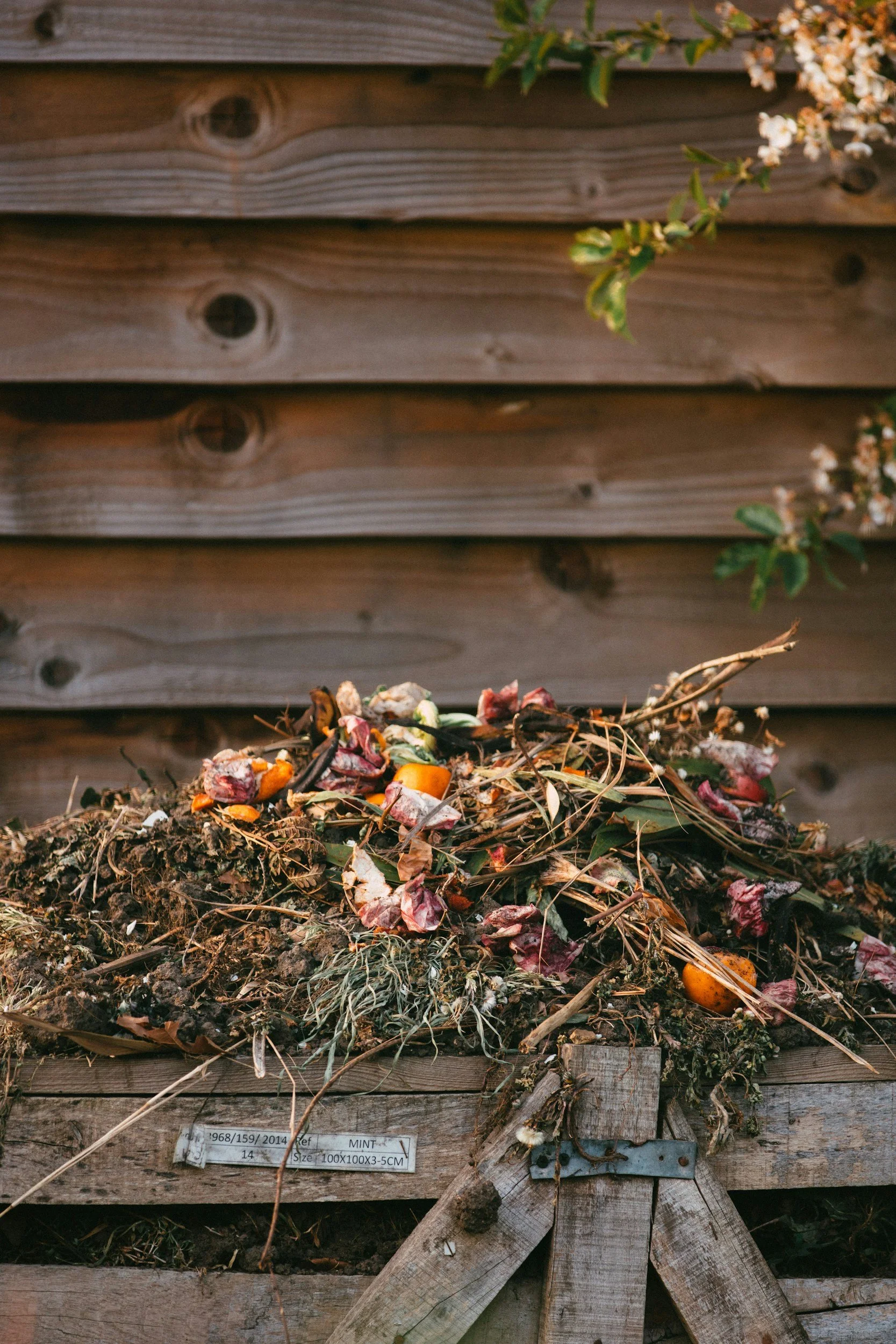
Texas Tea is our name for compost tea: a living, nutrient-rich liquid made by steeping compost or worm castings in aerated water. It isn't fertilizer in the traditional sense. It's biology in a bottle, a brew that carries beneficial microbes capable of colonizing the soil, digesting organic matter, and feeding plants the way healthy soil does naturally.
Think of it as a probiotic for your garden: a living tonic that supports the soil's microbiome rather than replacing it.
Why Texas Soil Needs a Healing Brew
Texas gardeners face some of the toughest growing conditions in the country:
Heavy blackland and red clay soils
Long droughts followed by flash floods
Extreme heat and intense UV exposure
Low organic matter and weak microbial life
These conditions can leave soil compacted, depleted, and unable to absorb water or nutrients efficiently. Compost tea reintroduces life. The microbes in a fresh brew can help break down clay, improve water retention, and build soil structure from the inside out, supporting the biology that does the real work of soil building.
The Recipe: Brewing Liquid Gold
Ingredients
5 gallons of non-chlorinated water
2 cups finished compost or worm castings
1 tablespoon molasses (microbe food)
Optional: 1 tablespoon liquid kelp (growth booster)
Optional: humic acid or fish hydrolysate for extra nutrients
Don't have everything on this list? You have options. Many ingredients can be substituted, kitchen scraps, grass clippings, or other organic material you already have on hand can stand in. Experiment, and note what works for your soil.
Directions
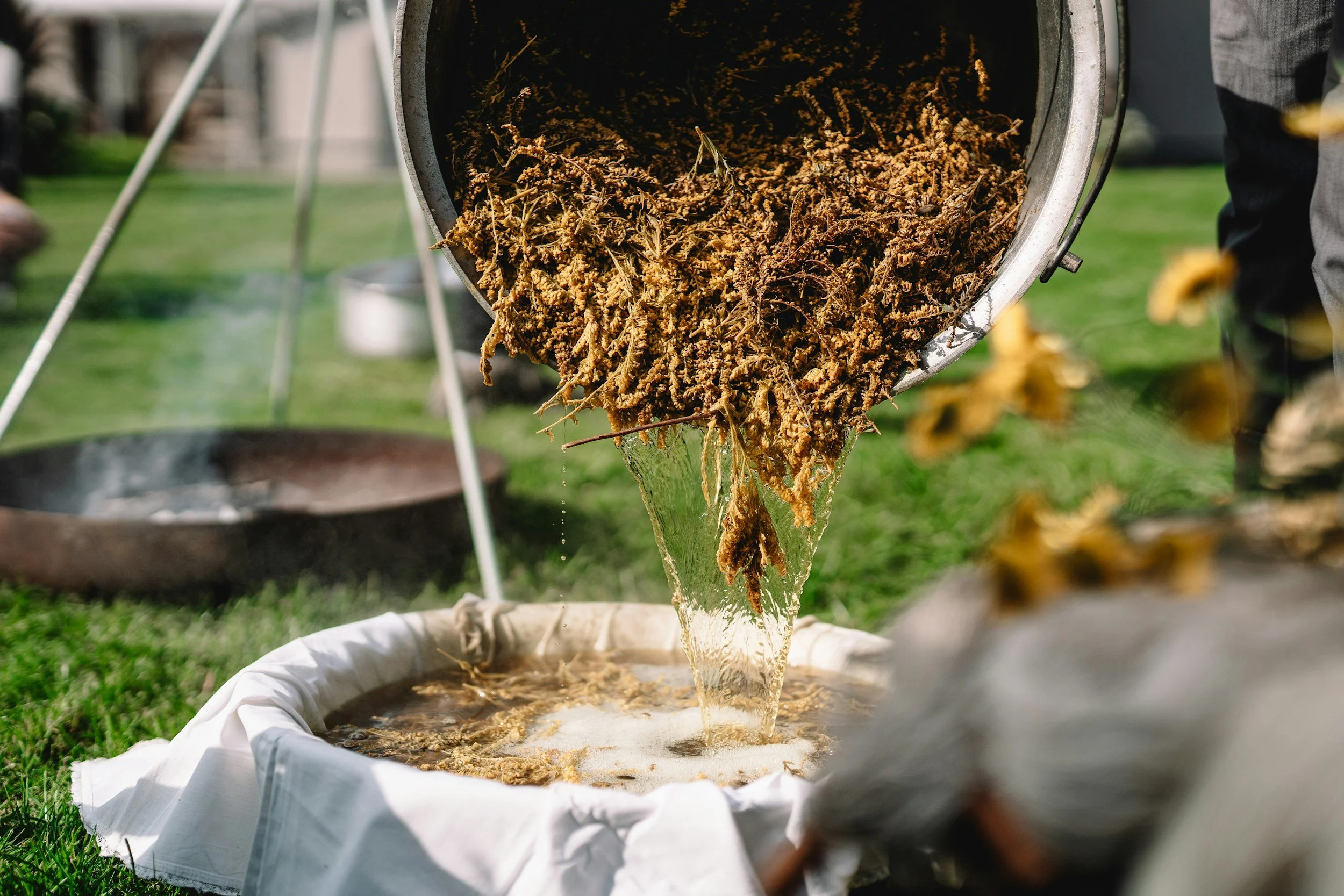
Place the compost in a mesh bag or nylon stocking.
Submerge the bag in the water. Add molasses and kelp.
Aerate continuously for 24–48 hours using an aquarium pump or bubbler.
Use immediately, microbes are most active right after brewing.
How Compost Tea Supports the Soil
When sprayed or poured onto the soil, a fresh brew of compost tea:
Introduces beneficial bacteria and fungi to the root zone
Can help break down clay particles, improving aeration
Supports water retention during drought
Strengthens the soil food web that naturally protects plants
Reduces dependence on synthetic fertilizer by improving nutrient cycling
It isn't only feeding plants. It's supporting the entire soil ecosystem that keeps them healthy.
How to Use It
Soil drench: Pour around the base of plants every 2–3 weeks.
Foliar spray: Mist leaves in the early morning or late evening.
Seed soak: Dip seeds before planting to give them a microbial head start.
Orchard feeding: Apply under fruit trees to strengthen root zones.
Avoid direct sunlight during application, microbes prefer shade and moisture. And remember: use your brew fresh. Microbial activity declines quickly once brewing stops, so plan to apply within hours, not days.
Community Impact
At Eden Earth Gardens, every batch of Texas Tea brewed in our workshops becomes a healing agent for community gardens across DFW. It's more than a gardening technique, it's a small movement toward soil regeneration, waste reduction, and local food resilience.
Each bucket represents a promise: to heal the land, feed the people, and teach the next generation that soil is medicine.
Closing Thought
Texas Tea isn't just compost water; it's a living symbol of renewal. It reminds us that healing doesn't come from chemicals or quick fixes. It comes from nurturing life itself.
When we brew Texas Tea, or your own version of compost tea, we're not just making fertilizer. We're making hope.
Want to learn more? Eden Earth Gardens teaches compost tea brewing and other regenerative practices through our six-module Eden Blueprint™ curriculum.