What Lies Beneath:
The Invisible World Rebuilding Your Soil This Autumn.
October in North Texas is not the end of the growing season. It is the beginning of the underground one.
As October arrives, the air cools, the leaves begin to turn, and a familiar seasonal shift moves through our neighborhoods. In most gardens, this is treated as a closing act to clear out the spent summer vines, rake up the debris, put the beds to rest until spring.
At the Eden Earth Gardens living laboratory, we read October differently.
Regeneration does not treat autumn as an ending. It treats it as a quiet beginning. While the above-ground canopy slows down, an invisible world is waking up beneath your feet. If you want to build a climate-resilient system, it helps to understand what lies beneath and to know that this is the month it goes to work.
The Hidden Autumn Grid
When the soil surface cools, perennial plants stop putting energy into new leaves and fruit. They shift their resources underground.
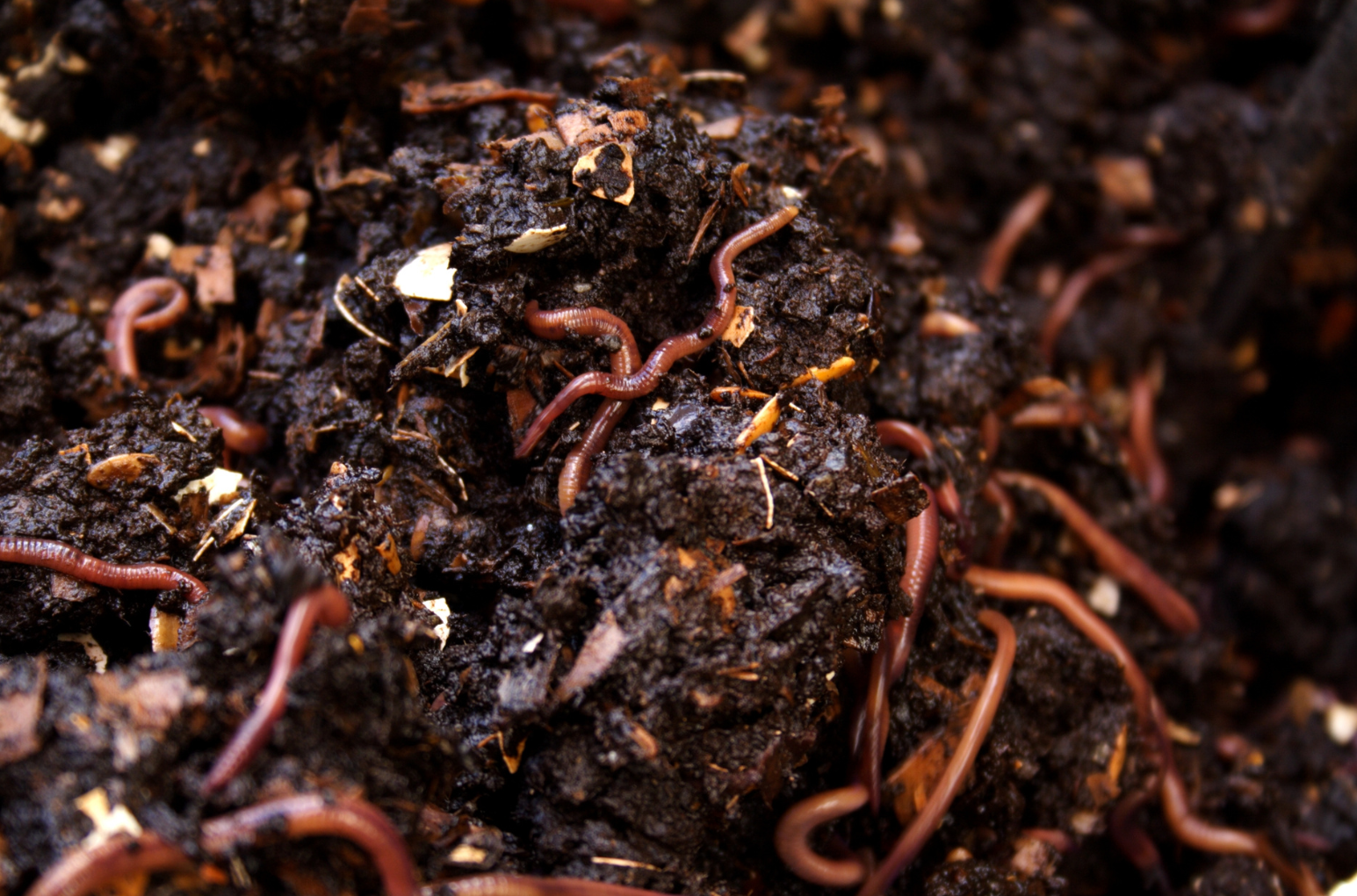
Root systems continue expanding into our stubborn North Texas clay through this season, and they do it with help. Beneath the surface, fungi, bacteria, earthworms, and other organisms are processing the organic matter falling to the earth: the leaves, the kitchen scraps, the spent plant material, converting it into forms the soil can hold.
Autumn is one of their most productive seasons, for a simple reason: this is when the most organic material becomes available to them, just as temperatures moderate and moisture becomes more reliable.
Soil Medicine: Working With Clay Instead of Against It
In neighborhoods facing environmental stress and compacted ground, regional clay can feel like concrete. But under the lens of The Eden Blueprint, clay is not an enemy. It is a reservoir of minerals that are present but not accessible.
When you apply active organic matter in October, you are not only feeding plants. You are feeding the biology beneath them.
Fungal networks. Beneficial mycorrhizal fungi form partnerships with compatible plant roots, extending their reach through soil. As organic matter and root activity build stable aggregates over time, soil structure improves and water moves more freely.
Nutrient exchange. Soil organisms cycle organic matter into plant-available nutrients. Plants trade sugars, produced through photosynthesis, with the organisms in their root zone for minerals and water the roots could not otherwise reach efficiently.
This is what we call “soil medicine” which is the practice of building the living system that makes soil function. Done in fall, it gives perennials a head start: roots have months of moderate temperatures to establish before the next summer's heat arrives.
Activating the Ground Beneath You
You do not need commercial inputs to wake up the biology in your soil. Most of what it needs is already available and currently going to waste.
Capture what falls. Do not bag your leaves or throw out your kitchen scraps. Route them into the system, for example: a three-bin compost setup, or a worm bin for smaller volumes and faster processing. The Holy Trinity method [Collect, Cook, Cure] is described in our composting field guide, and fall is the best season to build a batch.
Brew liquid biology. Finished worm castings can be used to brew aerated compost tea, which can be applied to the root zone of perennials where a little biology is useful. Use fresh, and use it where it serves a purpose: tea is a supplement, not a substitute for adequate soil, water, and sunlight.
Sheet-mulch your beds. Lay cardboard over cleared or compacted areas, then cover it with a thick layer of wood chips or other clean organic material. Sheet mulching suppresses weeds, moderates soil temperature, protects moisture, and creates habitat for earthworms and soil organisms as the material breaks down.
Keep the ground covered. Bare soil loses moisture, swings in temperature, and erodes. Cover it. That single habit protects the biology you are trying to build through the winter.
Disturb as little as possible. Every time you turn compacted, depleted soil aggressively, you disrupt the fungal threads and aggregate structure that took seasons to develop. Add organic matter at the surface and let roots and organisms do the deeper work.
A Note on Clay and Patience
It is worth saying plainly: clay does not become loam in one autumn.
Improving heavy clay is a multi-season process. Each layer of organic matter, each season of living roots, each batch of finished compost moves the soil a little further: better aggregation, better infiltration, better moisture retention, more biological activity. The progress is real, and it is gradual.
What you are building is not a quick fix. It is soil that will still be working years from now.
Rebuilding From the Ground Up
Every compost bin, every garden bed, and every neighbor learning to nurture the life beneath the surface becomes part of a larger story, a community rebuilding its capacity from the dirt up.
The work is invisible in October. That is the point. Most of what matters happens where no one is looking: in the root zone, in the compost pile, in the fungal threads working through clay.
Eden Earth Gardens is more than a garden project. It is a blueprint for community resilience and in autumn, it starts by tending what lies beneath.
Try It: Put One Bed to Work for Winter
Choose one bed, container, or tree basin. Do not plant anything new. Instead, put the ground to work through the cold months.
You will need: clean cardboard, organic mulch material (wood chips, leaves, clean straw), finished compost if you have it, and a notebook.
1. Clear only what must be cleared. Remove diseased plant material and mature weeds. Leave healthy roots and residue in place where you can.
2. Add a thin layer of finished compost over the soil surface, if you have it. Do not dig it in.
3. Sheet-mulch. Lay cardboard over the area, overlapping the edges, then cover it with 3 to 6 inches of organic mulch.
4. Keep mulch clear of stems and trunks. Leave a small gap around plant bases and tree trunks to avoid holding moisture against the tissue.
5. Water it in if conditions are dry, so the layers settle and the material begins to break down.
6. Record what you did: date, materials, depth, and what the soil looked like before.
7. Leave it alone. Return in spring, pull the mulch aside, and look at what the worms and organisms did while you were not watching.
The purpose is not a tidy bed. It is a working one.
Close One Loop
Choose one autumn material your household or organization already produces: leaves, kitchen scraps, cardboard and connect it to a compost or mulch system before the season ends. Note where it came from, where it went, and who was responsible.
---
Want to go deeper? Eden Earth Gardens teaches soil biology, the Holy Trinity compost method, and water-conscious growing through our six-module Eden Blueprint curriculum.