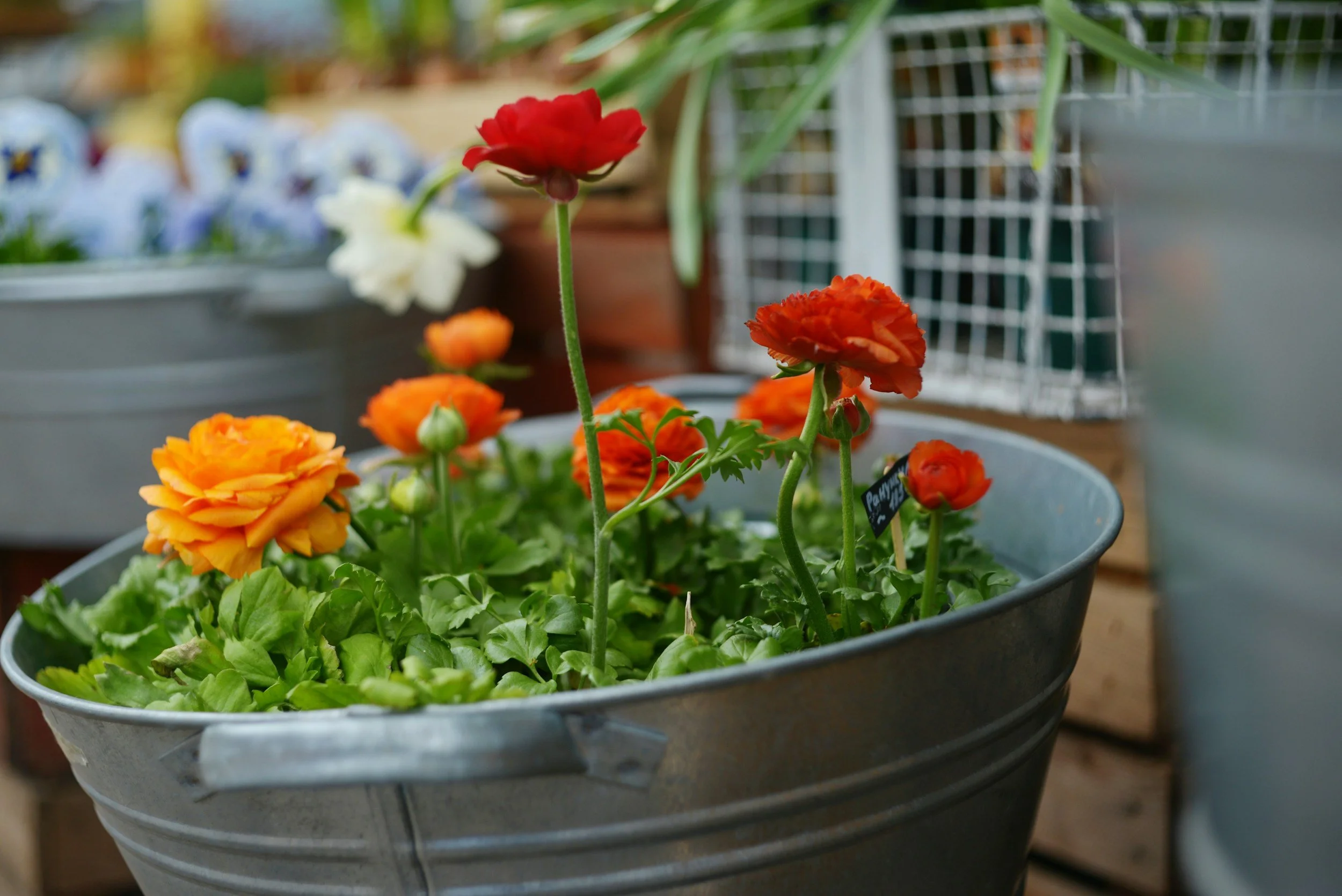
Container Growing in Small Spaces: Great Harvests From Small Beginnings
You do not need a large yard to grow meaningful food. A sunny step, balcony, patio, courtyard, or windowsill can become the beginning of a productive garden.
Many people postpone growing food because they believe they need open land, raised beds, expensive equipment, or years of experience. But regenerative gardening does not begin with acreage. It begins with attention: understanding the space you have, choosing plants that fit it, and building a system you can care for consistently.
A single container may grow herbs for the kitchen. Three containers may provide peppers, greens, and tomatoes through a season. A well-designed patio can produce food, support pollinators, recycle organic matter, and teach skills that spread across a household or neighborhood.
Great harvests can grow in small spaces and from small beginnings.
Why Containers Work
Container growing creates productive space where in-ground gardening may not be possible. It can work well for:
Apartment balconies and patios
Rental properties
Small or paved yards
Courtyards and entryways
Schools, congregations, and community centers
Sites with compacted, contaminated, or unsuitable soil
Gardeners who need raised or accessible growing surfaces
Containers also give the grower more control. You can choose the growing mix, manage drainage, move some plants when conditions change, and place food production close to the kitchen or water source. The goal is not to squeeze as many plants as possible into every corner. The goal is to create a small system that matches the space, the crop, and the care you can provide.
Read the Space Before You Plant
Before buying plants, spend a day observing the site.
Follow the Sun
Most fruiting crops, including tomatoes, peppers, cucumbers, and eggplants, perform best with six or more hours of direct sunlight. Leafy greens and many herbs can produce with less, especially when they receive bright morning sun. Observe the space in the morning, at midday, and in the late afternoon. Buildings, fences, trees, and balcony walls can create shade patterns that change throughout the day and across the seasons. In North Texas, more sun is not always better. Intense western exposure can overheat containers and stress plants during summer. Morning sun with afternoon protection may be more useful than an unshaded location that bakes from noon until evening.
Notice Heat and Wind
Concrete, brick, glass, metal railings, and dark walls absorb and reflect heat. Upper-story balconies may also receive strong wind, which dries leaves and soil quickly.
Ask:
Does the surface become too hot to touch?
Is heat reflected from a wall or window?
Does wind move through the space constantly?
Can shade cloth or a taller plant protect more sensitive crops?
Is the container stable during storms?
These conditions influence which plants will thrive and how often they will need water.
Confirm Water Access
A container garden located far from a faucet can become difficult to maintain. Before expanding, decide how water will reach every pot. A watering can may be enough for three containers. A larger network may need a hose, drip irrigation, or a sub-irrigated system. Design for the hottest week of summer, not the mildest week of spring.
Check Permission and Weight
Renters should confirm rules for balconies, patios, railings, drainage, and shared areas. Wet growing mix is heavy, and large containers can place significant weight on elevated surfaces. Keep containers away from emergency exits and walking paths, and never hang them from railings that were not designed to carry the load.
Choose the Right Container
The best container is not necessarily the most expensive. It is safe, sturdy, deep enough for the crop, and able to drain.
Container Safety
Use food-safe containers with a known history. Do not grow food in containers that held fuel, paint, pesticides, industrial chemicals, or unknown substances. Avoid brittle, cracked, or severely degraded plastic. If repurposing a container, wash it thoroughly and create drainage openings if needed.
Size Matters
Small pots dry quickly and restrict roots. A plant may survive in an undersized container but produce poorly and require constant watering. Use these general starting points:
Crop
Suggested minimum container
Small herbs, 1–3 gallons
Lettuce and leafy greens, 6–8 inches deep
Bush beans, 3–5 gallons
Peppers, 5 gallons
Patio or dwarf tomatoes, 5–10 gallons
Full-size tomatoes, 10 gallons or more
Cucumbers, 5 gallons with a trellis
Potatoes, 10–15 gallons
Dwarf fruit trees, 15–25 gallons or more, depending on maturity
These are starting points, not guarantees. Variety, climate, container material, and watering method all affect performance. When possible, give fruiting plants more root space rather than less.
Drainage Is Essential
Containers need openings that allow excess water to escape. Without drainage, roots lose oxygen and may rot. Do not create a false drainage layer of rocks at the bottom. Rocks reduce the amount of growing mix available and do not correct a poorly drained container. Use a consistent, porous mix from top to bottom, and raise the container slightly if its holes sit flat against the ground.
Build Living Container Soil
Native soil usually performs poorly in pots. Heavy clay becomes dense and waterlogged; sandy soil dries quickly and loses nutrients. Containers need a lightweight mix that holds moisture while allowing air to reach the roots.
A practical mix may include:
Quality potting mix or a peat-free container base
Finished compost or worm castings
A coarse material such as pine bark fines, perlite, or another appropriate aeration component
Avoid using unfinished compost, fresh manure, or materials with an unknown source. They can damage roots, introduce contaminants, or create unstable conditions. Container soil is not permanent. Each season, observe its structure and replenish it with finished compost. If the mix has become compacted, remove large roots, loosen it gently, and add fresh material rather than discarding everything automatically.
Match the Crop to the Space
Successful container gardening begins with plant selection.
Choose crops based on:
Hours of sunlight
Seasonal temperatures
Container size
Mature plant size
Water requirements
Time until harvest
What your household actually eats
Good Crops for Small Beginnings
Beginner-friendly choices include:
Basil, chives, parsley, thyme, and mint grown in its own pot
Leaf lettuce, arugula, kale, and Swiss chard during cooler seasons
Radishes and green onions
Bush beans
Compact peppers
Patio, dwarf, or determinate tomatoes
Strawberries
One healthy plant is more useful than six crowded plants. Check the mature spacing on the seed packet or plant label, and resist the urge to fill every visible gap on planting day.
Grow Up, Not Just Out
Vertical growing can turn a narrow space into a productive one.
Use trellises, cages, stakes, or strings to support:
Cucumbers
Pole beans
Indeterminate tomatoes
Small melons where the fruit can be supported
Climbing flowers that attract pollinators
Install support before the plant becomes large. Make sure the structure is anchored securely and cannot fall during high wind. Vertical design can also place shorter, shade-tolerant crops beneath taller plants. A trellised cucumber may provide afternoon protection for lettuce or herbs, allowing one container network to perform more than one function.
Water Deeply and Intentionally
Containers dry faster than in-ground beds because every side is exposed to heat and air. During a North Texas summer, a small pot may need attention more than once a day. Before watering, place a finger one or two inches into the mix. If it feels dry at that depth, water slowly until moisture reaches the full root zone and excess begins to drain. Avoid giving only a light surface sprinkle; it encourages shallow roots and leaves the lower mix dry.
To reduce water stress:
Choose containers large enough for the crop
Add 1–2 inches of organic mulch
Group plants with similar water needs
Water in the morning when possible
Use drip irrigation or sub-irrigated containers for larger networks
Protect containers from extreme afternoon heat
Place saucers only where needed to protect surfaces, and do not leave roots standing in stagnant water
A simple watering routine is more valuable than an elaborate system no one can maintain.
Feed the Soil, Not Just the Plant
Containers cannot draw nutrients from surrounding ground, so what happens inside the pot matters.
Build fertility gradually with:
Finished compost
Worm castings
Appropriate organic amendments
Diluted compost tea where desired
Mulch that protects the surface and decomposes over time
More is not always better. Excess fertilizer can burn roots, create weak growth, or wash into storm drains. Observe the plant before adding anything. Pale leaves, slow growth, and poor flowering can have many causes, including overwatering, heat stress, insufficient light, restricted roots, or nutrient imbalance. Good stewardship responds to the condition, not the assumption.
Design a Small Container Ecosystem
A productive container garden is more than a row of pots. It is a network of relationships.
For example:
A trellised tomato creates partial shade for herbs.
Flowers attract pollinators and beneficial insects.
Mulch protects soil moisture.
Kitchen scraps enter a compost system.
Finished compost returns to the containers.
Harvest feeds the household.
Saved seed or extra seedlings are shared with neighbors.
Place frequently harvested herbs near the door. Put thirsty plants close to the water source. Group containers by care needs. Leave enough room to move, harvest, and inspect plants. The garden becomes easier to maintain when its relationships are designed intentionally.
Plan for Texas Seasons
Texas container growers do not have one continuous growing season. They have changing windows of opportunity. Cool-season crops such as lettuce, kale, radishes, parsley, and cilantro may thrive in fall, winter, or early spring. Warm-season crops such as peppers, tomatoes, beans, and cucumbers need warmer conditions but may struggle during the most intense summer heat.
Instead of forcing every crop through every season:
Plant cool-season crops when temperatures favor them
Select heat-tolerant varieties for summer
Use afternoon shade during extreme heat
Pause or reduce production when conditions become unsafe for plants or people
Replant for fall when temperatures begin to ease
Climate-responsive gardening works with the season rather than treating weather as an obstacle to overpower.
Great Harvests Are More Than Pounds of Food
A container garden's value should not be measured only by weight. One pot of herbs may save repeated grocery trips. A pepper plant may help a child understand pollination. A tomato may become the first seed someone saves. A balcony garden may create shade, beauty, habitat, confidence, and a reason to speak with a neighbor.
The first season may not produce an abundant harvest. It will still produce knowledge:
How sunlight moves through your space
How quickly your containers dry
Which plants tolerate the heat
Which crops your household uses
How much care you can sustain
What you should change next season
Small beginnings are not lesser beginnings. They are manageable places to learn.
Final Thought
You do not need acres of land to become a grower. You need one suitable space, one safe container, one well-chosen crop, and a care routine you can keep. Plant less than you think you can manage. Observe more than you think is necessary. Let the first container teach you what the second one needs. A great harvest does not always begin with a large garden. Sometimes it begins with a single pepper plant beside an apartment door and a person who decides to keep showing up.
Try It: Build a Three-Container Garden
Start with three containers, each performing a different role. This is large enough to teach relationships and small enough to maintain honestly.
You will need: three safe containers with drainage, lightweight growing mix, finished compost, mulch, and three plants suited to your season and sunlight.
Read the space. Record the sunlight at morning, midday, and late afternoon. Confirm access to water, permission, safe weight support, and room to move.
Choose three functions. Select one crop for regular harvest, one fruiting crop, and one plant for pollinators or support. For example: chives, a compact pepper, and calendula.
Match each crop to its container. Give the largest container to the plant with the largest mature root system. Do not plant by appearance alone.
Prepare the mix. Fill each container with lightweight growing mix and finished compost. Leave space at the top for watering and mulch.
Plant, water, and cover. Plant at the appropriate depth, water the entire root zone, and add a thin layer of mulch without piling it against the stems.
Observe for seven days. Check moisture, heat, wind, and plant response at the same time each day. Record what changes.
Adjust one thing. Move a pot, change the watering schedule, add shade, or reduce exposure based on what you observed.
The purpose is not to build the largest garden in one day. It is to create a small system you can understand, maintain, and grow from.
Close One Loop
Plant one container this week using a safe vessel, living soil, and a crop matched to your conditions. Care for it through one full season before deciding how much to expand.
Want to go deeper? Eden Earth Gardens teaches intensive container growing, water-conscious design, and climate-responsive food production through our six-module Eden Blueprint™ curriculum.