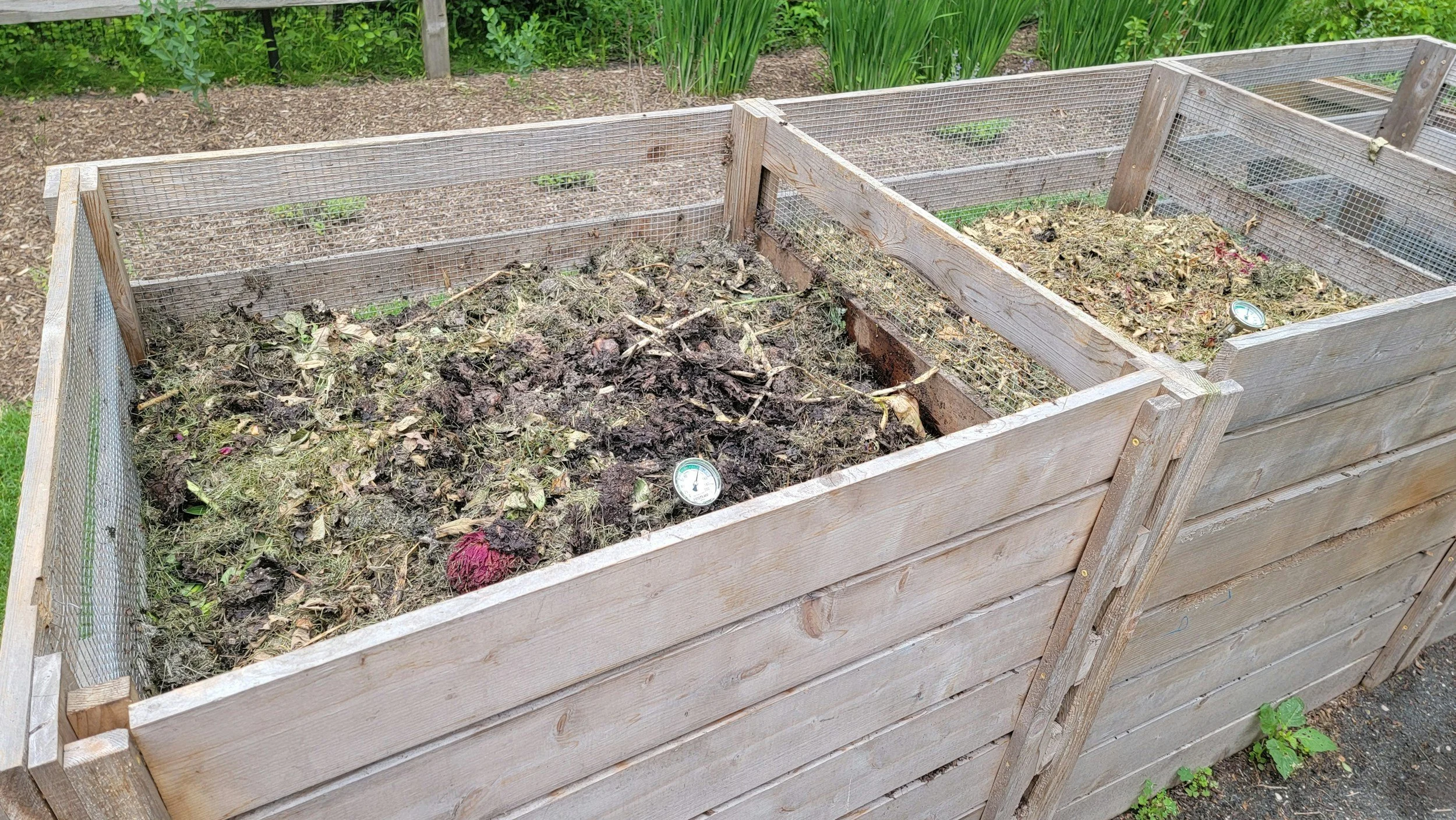
The Holy Trinity: The 3-Bin Compost System: Turning Waste Into Healing Soil Medicine
In regenerative agriculture, the most powerful medicine is not purchased. It is created.
Every banana peel, leaf, coffee ground, and cardboard scrap holds the potential to become black gold, the living soil amendment that restores damaged land, strengthens plant health, and fuels abundant harvests.
The 3-Bin Compost System, which we call The Holy Trinity, is the simplest, most reliable way to transform everyday waste into nutrient-rich compost. It is a cycle of transformation: Collect → Cook → Cure. Practiced with intention, this system becomes a cornerstone of soil healing for homes, schools, and community gardens.
Why Compost Is "Healing Soil Medicine"
Healthy soil is alive. It breathes, digests, protects, and regenerates. Compost is the concentrated form of that life, a dense infusion of:
Beneficial bacteria
Fungi and mycorrhizae
Humic and fulvic acids
Stabilized organic matter
Natural plant hormones
Slow-release nutrients
When added to soil, compost:
Breaks up compacted clay
Increases water retention
Supports root development
Helps suppress disease
Restores microbial diversity
Rebuilds soil structure
For Texas gardeners battling hardpan clay, drought cycles, and nutrient-poor ground, compost is not optional. It is essential.
The Holy Trinity Explained
The 3-bin system divides composting into three phases. Each bin has a purpose, and each represents a stage of transformation.
Bin One: The Offering, Collection & Balance
This is where the journey begins. Bin One receives the raw materials, the "offerings" that will eventually become healing soil medicine.
What goes in:
Kitchen scraps (vegetable peels, fruit scraps, eggshells)
Coffee grounds and filters
Leaves, straw, dried grass
Shredded cardboard and paper
Plant trimmings
The goal: work toward a 30:1 carbon-to-nitrogen ratio. This balance helps the pile heat properly and decompose efficiently.
Why it matters: balanced inputs create the right environment for microbes to awaken and begin breaking down organic matter.
Bin Two: The Transformation; The Cook
This is the heart of the Holy Trinity, the bin where the compost heats up, transforms, and becomes biologically active.
What happens here:
The pile enters a thermophilic phase
Temperatures rise to 135°F–160°F
Pathogens and weed seeds are broken down
Organic matter decomposes rapidly
Microbial populations multiply
Your job: turn the pile every 3–7 days to maintain oxygen flow and even heating.
Why it matters: this is the transformation stage, where raw material becomes living soil.
Bin Three: The Blessing, The Cure
The final bin is where compost rests, stabilizes, and matures into finished soil medicine.
What happens here:
Microbes settle into long-term balance
Nutrients stabilize
Humus forms
The earthy smell develops
The compost becomes dark, crumbly, and rich
Signs it's ready:
Smells like forest soil
No recognizable food scraps
Texture is soft and uniform
Color is deep brown or black
Why it matters: curing is essential. Uncured compost can harm plants or disrupt soil biology. Cured compost heals.
How the Holy Trinity Heals Texas Soil
Texas clay is dense, compacted, and low in organic matter. The Holy Trinity system produces compost that:
Breaks clay particles apart
Improves infiltration and drainage
Helps soil retain moisture during drought
Feeds beneficial fungi that bind soil together
Builds long-term fertility without chemicals
Supports fruit trees, raised beds, and native plants
Every handful of finished compost is a dose of medicine for stressed soil.
Community Impact: Composting as a Regenerative Act
At Eden Earth Gardens, the Holy Trinity system is more than a technique. It is a community tool.
It allows neighborhoods to:
Divert food waste from landfills
Reduce methane emissions
Build soil for community gardens
Teach youth ecological science
Strengthen local food resilience
Share compost with families who need it
Composting becomes a form of stewardship, a way to heal the land while empowering people.
Final Thoughts
The Holy Trinity 3-Bin Compost System is simple, powerful, and transformative. It turns everyday waste into living soil medicine that restores ecosystems, strengthens gardens, and supports community resilience.
When you practice this cycle, you are not just making compost. You are participating in the ancient work of regeneration.
Try It: Build Bin One — Sort Your First Offering
You do not need all three bins to begin. The Holy Trinity starts with a single pile of properly sorted material. Before you build anything, learn to sort.
You will need: two containers, one for "greens" and one for "browns" and a week's worth of observation.
1. Separate your greens and browns. Greens are nitrogen-rich and wet: kitchen scraps, coffee grounds, fresh grass clippings, plant trimmings. Browns are carbon-rich and dry: leaves, straw, shredded cardboard, paper, wood chips.
2. Collect for one week. Keep a small lidded container for greens in the kitchen. Keep browns in a bag or bin near your composting site. Note which one fills faster, most households produce far more greens than browns, which is why dry material must be stockpiled.
3. Observe the moisture. Greens should feel wet, browns should feel dry. Squeeze a handful of your mix. Finished compost should feel like a wrung-out sponge, damp, not dripping. If it drips, add browns. If it crumbles and dust puffs, add greens.
4. Add in layers, not all at once. Alternate a few inches of browns, then a few inches of greens, then browns again. A finishing layer of browns on top keeps odors down and flies away.
5. Aim for roughly three parts browns to one part greens by volume. You do not have to measure precisely to start. The 30:1 ratio is a target to work toward, not a test to pass.
6. Record what you collected. Write down how much of each material you produced in a week. This tells you how large a system your household actually needs, and whether you need to source extra browns from neighbors, leaves, or local sources.
The goal of Bin One is not perfection. It is a balanced pile, built from what you already produce, the first offering in the cycle.
Close One Loop
Sort one week of kitchen and yard material into greens and browns, then build your first layered pile. Even a single bin in the corner of a yard begins the cycle.
Want to go deeper? Eden Earth Gardens teaches the full Holy Trinity compost method through our six-module Eden Blueprint™ curriculum.